
A Dutch story makes this topic feel real very quickly. In a case reported by De Telegraaf and referenced by Stichting B12 Tekort, Julia described double vision, trouble finding words, and growing physical weakness before doctors discovered that her body was not absorbing vitamin B12 properly. She said she sometimes felt much older than she was. Her story matters because the early signs were easy to dismiss. They did not look dramatic at first. They looked like the kind of symptoms many people brush off and live with for months.
That is exactly why this topic matters. Many people feel tired every day and think the reason is simple. They assume they need more sleep, less stress, or a better routine. Sometimes that is true. But not always. Official NHS guidance says vitamin B12 or folate deficiency can cause extreme tiredness, lack of energy, muscle weakness, poor memory, and other neurological symptoms. These symptoms can also happen before anemia is even obvious.
For people in the Netherlands, this deserves even more attention because low vitamin D is not rare. RIVM reported that by the end of winter 2023, vitamin D deficiency affected around 7% to 26% of the Dutch population, depending on the group studied. That means a large number of people may be carrying low levels without knowing it, especially during or just after the darker months.
Why Daily Fatigue Is Often Mistaken For Poor Sleep
Fatigue is common. That is what makes it easy to ignore. Thuisarts notes that many people feel tired from time to time and that tiredness can come from many causes, including stress, illness, problems at home, or low mood. Because tiredness is so common, people often assume it is nothing serious.
In daily life, the first guess is usually sleep. If someone wakes up tired for a few days, they blame late nights. If it continues for weeks, they blame work, children, stress, or a busy schedule. That reaction makes sense. But it can also hide a real deficiency. Vitamin deficiency often starts quietly. A person may feel slower, weaker, more forgetful, or mentally foggy, yet still keep going and tell themselves they are only busy.
This is one reason deficiency gets missed. The body does not always send a loud signal. Instead, it sends small warnings that are easy to normalize. By the time people seek help, they may have spent months trying to fix a biological problem with coffee, earlier bedtimes, or weekend rest. After hours of research on this topic, that pattern shows up again and again.
Why This Issue Matters More In The Netherlands
The Dutch setting matters here. Vitamin D is made in the skin after sunlight exposure. In the Netherlands, sunlight is not strong enough for reliable vitamin D production during a large part of the year. Thuisarts explains that vitamin D is important for bones, muscles, and immunity, and that many people may need extra vitamin D, especially people with darker skin, people who spend very little time outside, pregnant women, and older adults.
That means a person in the Netherlands who feels tired all winter should not always assume it is just the weather or lack of sleep. Sometimes the season really is part of the answer, but not in the way people think. It may be affecting vitamin D status. RIVM’s data supports that concern by showing the highest deficiency levels at the end of winter.
The Dutch public health message is simple. Some groups are more likely to run low, and winter makes the risk worse. That makes fatigue in the Netherlands a slightly different conversation from fatigue in a country with much more year-round sun.
The Two Most Common Vitamin Deficiencies Linked To Daily Fatigue
Vitamin D Deficiency And Low Energy Levels
Vitamin D deficiency is often discussed in relation to bones, but that is not the whole story. Thuisarts says vitamin D is also important for muscles and the immune system. When levels are too low, people may notice muscle pain, weakness, or a general drop in physical resilience.
In real life, this may feel like constant low energy, heavy legs, weak muscles, poor recovery after illness, or just feeling physically flat for no clear reason. Many people do not connect that kind of fatigue to vitamin D because they expect deficiency to look more severe. In practice, it often begins as a vague feeling that your body is not performing the way it used to.
Vitamin B12 Deficiency And Constant Tiredness
Vitamin B12 deficiency is another major reason daily fatigue gets overlooked. B12 helps the body make healthy blood cells and supports the nervous system. NHS guidance says low B12 can cause extreme tiredness, lack of energy, muscle weakness, pins and needles, memory problems, and issues with judgment or understanding. It also notes that these problems can happen even when a person does not yet have anemia.
This is what makes B12 deficiency so important. It is not just a tiredness issue. It can also affect the brain, nerves, movement, and mood. The B12 Institute in Rotterdam points out that B12 deficiency often occurs without anemia and that delayed diagnosis can lead to confusion and missed treatment opportunities.
People at higher risk include older adults, vegans, people with stomach or bowel disorders, people taking metformin, and people using long-term acid-reducing medicines. In these groups, “I am just tired” should never be the end of the conversation.
Signs Your Fatigue May Be Caused By A Vitamin Deficiency
Not every tired person has a vitamin deficiency. Fatigue has many causes. But some warning signs should make you look beyond sleep.
You should pay closer attention if your fatigue:
- lasts for weeks
- does not improve much with rest
- comes with brain fog
- comes with poor focus
- comes with muscle weakness
- includes tingling in the hands or feet
- includes dizziness
- feels worse in winter
NHS guidance on B12 deficiency clearly includes many of these symptoms, especially weakness, pins and needles, and concentration or memory problems.
Thuisarts also reminds readers that fatigue can come from many other causes, including being unwell after a virus, stress, feeling low, or other health problems. That is why tiredness should not be self-diagnosed as a vitamin problem either. The key is to take persistent fatigue seriously enough to investigate it properly.
How Doctors Check For Vitamin Deficiencies
The right next step is not guessing. It is checking. If fatigue keeps returning or stays present day after day, a doctor may look at:
- vitamin D
- vitamin B12
- folate
- iron status
- thyroid function
- full blood count
Those tests help separate simple tiredness from anemia, thyroid disease, deficiency, or other medical issues.
That matters because fatigue is one of the easiest symptoms to misread. A person may believe they only need more rest when they actually need treatment. Another person may start taking random supplements when the real issue is not vitamin-related at all. A proper work-up gives a clear direction instead of guesswork.
The B12 Institute also warns that diagnosis is not always straightforward and that some people with clear symptoms may not fit the classic picture doctors expect. That is another reason not to ignore symptoms just because they seem mild at first.
Why Food And Supplements Do Not Always Solve The Problem
Food and supplements can help, but only when they match the actual cause. If someone has low vitamin D, supplements may be enough. If someone has a mild dietary gap in B12, tablets may help. But not every deficiency is caused by poor diet alone. Some people have an absorption problem, which means the body is not taking in the nutrients properly even if they eat well.
This is especially important with B12. The B12 Institute explains that some patients with deficiency symptoms are not well served by simple assumptions, and that treatment decisions should reflect the cause and the clinical picture. In other words, the answer is not always “just take a supplement and see.”
That is why self-treatment can become messy. People often start supplements before they understand what is actually wrong. Sometimes that helps. Sometimes it delays proper diagnosis. The smarter path is to find the cause first, then choose the support that fits it.
When An Infuus Vitamine May Be Considered
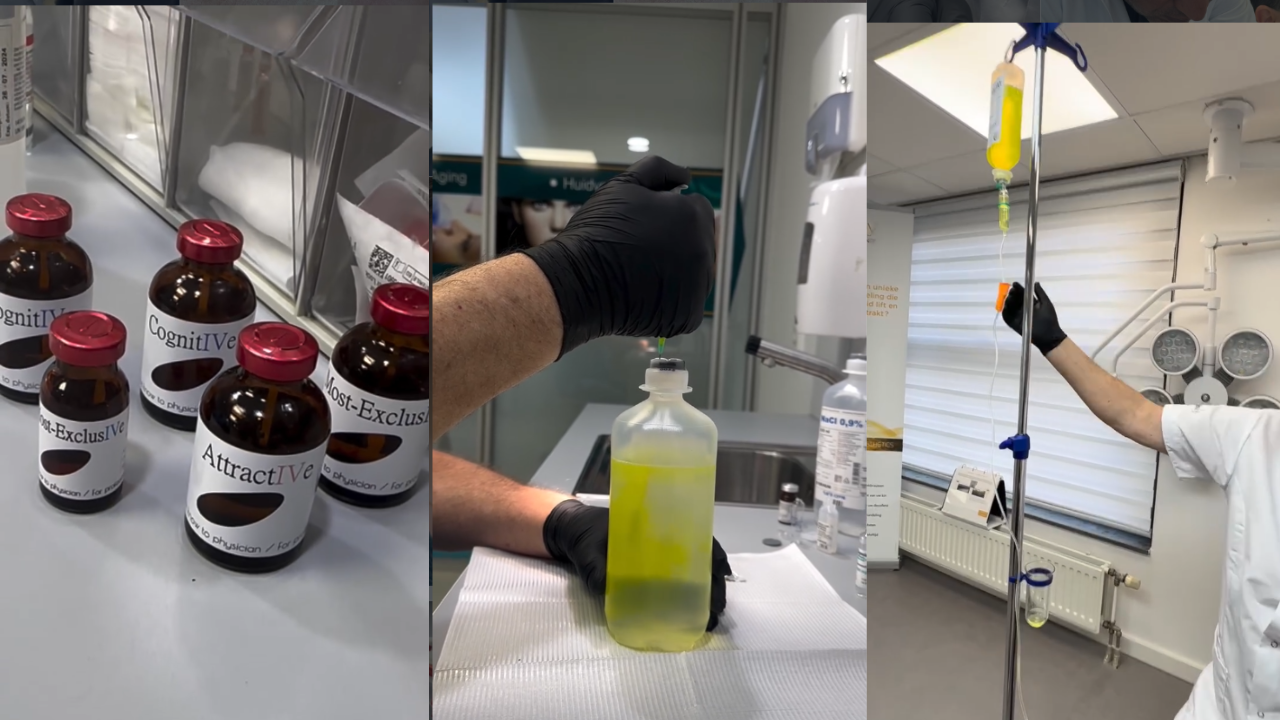
Once a deficiency is identified and a medical professional has assessed the situation, some people may discuss more direct support options. In that context, infuus vitamine may come into the conversation as part of a supervised plan when that approach makes sense for the patient’s actual needs.
The important thing is not to treat fatigue like a trend. Fatigue is a symptom. First understand the cause. Then choose the right support. That is a much safer and more practical way to think about care, especially for people who have already spent months assuming they only needed more sleep.
What Dutch Readers Should Take Away From This
Most people think daily fatigue means they need more sleep. That is an easy assumption to make. It is also sometimes the wrong one. In the Netherlands, the data gives a strong reason to look closer. RIVM has shown that vitamin D deficiency is common by the end of winter, while trusted clinical guidance shows that low vitamin B12 can cause extreme tiredness, weakness, nerve symptoms, and poor concentration.
So if you are tired every day, do not ask only one question: “Am I sleeping enough?” Ask the better question too: “Could my body be missing something important?” That question can save months of confusion. For some people, it can be the first real step toward getting their energy back and feeling normal again.